Welcome to Jiashan County Hardware and Machinery Industry Zone

Leave Your Message

Blog

China Top Chemical Mechanical Seals Manufacturers?

China Top Chemical Mechanical Seals Manufacturers?

China has definitely turned into a big sourcing hub for Chemical Mechanical Seals that go into pumps, mixers, compressors, and other rotating equipment. You'll find manufacturers serving everything from water treatment to chemical processing. But here's the thing: a slick website doesn't automatically prove real engineering capability. Buyers still need hard evidence—factory experience, product testing, and steady customer support. A dependable supplier should be able to walk you through seal-face materials, elastomer options, pressure limits, temperature ranges, and shaft-size tolerances. They should also hand over drawings, inspection records, and practical installation guidance. When you're reviewing suppliers, look closely at machining quality, assembly cleanliness, dynamic balancing, and leakage-test methods. Honestly, the small details matter. A rough face finish can lead to early failure. Pick the wrong elastomer and it might harden after exposure to chemicals or heat. This guide looks at leading Chinese manufacturers through a few key lenses: technical expertise, production capacity, certifications, customization ability, and after-sales reliability. It asks whether they can handle both standard replacements and tougher engineered applications. Factory audits, sample testing, and reference checks are still worth doing. No shortlist is perfect. Public info can be incomplete, and marketing language can hide limitations. So yeah—verify every recommendation against your actual operating conditions. Before asking for a quote, share the real medium, pressure, speed, temperature, and equipment model. That cuts down on guesswork and helps you make a more reliable choice. The strongest supplier isn't always the biggest one. It's the company that documents its process, communicates clearly, and keeps performance stable over time.
Read more »
Aria By:Aria - October 10, 2026
7 Best Vacuum Mechanical Seals for Industrial Pumps?

7 Best Vacuum Mechanical Seals for Industrial Pumps?

Vacuum Mechanical Seals don’t exactly shout for attention. They sit between a dependable industrial pump and a very expensive production stoppage. Their job? Hold in process fluids, keep vacuum levels where they should be, and cut down contamination around rotating shafts. You really notice them when one starts leaking next to a hot pump casing, just minutes before a batch was supposed to start. Market research backs up that pressure. Grand View Research pegged the global mechanical seals market at about USD 4.7 billion in 2023, with growth expected through 2030. MarketsandMarkets also points to chemical processing, oil and gas, water treatment, and power generation as big demand areas. Those numbers cover the broader mechanical seal market, though—not vacuum seals by themselves. And yes, that distinction matters. Robert M. Flitney, who wrote Seals and Sealing Handbook, put it well: “Seal performance depends on the complete operating system, not the seal alone.” Practical point. Shaft runout, elastomer compatibility, face flatness, pressure changes, dry-running events—any of these can decide whether a design makes it. This guide looks at seven Vacuum Mechanical Seals for industrial pumps. We’ll consider construction, pressure capability, temperature tolerance, leakage control, maintenance needs, and installation risks. Some options can look great on paper. Then they meet a dusty plant or repeated thermal cycling and, well, things change. Real operating conditions are rarely perfect. So choosing one takes engineering judgment, verified supplier data, and field experience. Before buying, compare material certificates, test methods, and service histories. No single seal fits every pump. A better choice starts with the fluid, speed, vacuum level, and what happens if it fails. This review is meant to make that call a little clearer—while admitting one uncomfortable truth: even a premium seal can fail when the pump system is poorly aligned.
Read more »
Aria By:Aria - October 8, 2026
What Is an Agitator Seal and Which Type Is Best?

What Is an Agitator Seal and Which Type Is Best?

When it comes to mixing stuff where pressure, heat, chemicals, or rough solids are involved, Agitator Seals are the real MVPs. Inside a reactor, a seal might have to handle sticky resins, dry powders, or even churning liquids — all at once. Even a tiny leak can spoil a batch, damage the bearings, or mess up production pretty badly. Industry stats really highlight why picking the right seal isn't something to skimp on. According to Grand View Research, the global market for mechanical seals is expanding steadily, thanks largely to industries like chemicals, pharma, food processing, and energy. MarketsandMarkets also points out that folks care a lot about process reliability and reducing leaks. These reports give good direction, no doubt. But, at the end of the day, they don’t replace the need for testing your equipment under real-life conditions. Dr. Robert J. Flitney, a well-known sealing engineer and author of the Seals and Sealing Handbook, always reminds us, ‘The seal should be chosen as part of the entire machine system.’ That’s still pretty solid advice. For example, a cartridge seal might help cut down on installation errors. A split seal makes maintenance easier around big shafts. Or, if you’re dealing with something really dangerous or abrasive, a double seal provides extra protection. But, of course, the ‘best’ choice really depends on factors like shaft speed, pressure, temperature, how the fluid acts, and what kind of barrier system you’ve got. One thing that’s often overlooked: real-world experience. A seal that works great with clean water might give out quickly if it's handling a crystallizing slurry. Surface finish can make a big difference. And don’t forget about flushing — sometimes, good maintenance habits save the day. There’s no one-size-fits-all answer here. Finding the right Agitator Seal means balancing how long it lasts, how easy it is to clean, maintenance needs, and overall costs. Plus, some market reports lump different types of seals together, which can make comparisons tricky. Before you make a purchase decision, it’s worth paying attention to these nuances to find what really fits your specific situation.
Read more »
Lila By:Lila - October 2, 2026
Top 10 Rubber Bellows Seal Manufacturers for Global Buyers

Top 10 Rubber Bellows Seal Manufacturers for Global Buyers

Choosing a Rubber Bellows Seal supplier isn't just about comparing prices. The real key is finding a design that fits your specific needs—consider things like your shaft size, how fast everything's running, pressure levels, temperatures, and the type of fluid you're working with. What works great in a clean-water pump might totally fail if you're dealing with abrasive materials or rapid temperature swings. And honestly, those little details really matter. In this guide, I’ve put together a list of ten manufacturers around the globe to help buyers get a sense of who’s out there. It also covers some important points to check before you ask for a quote. Think about their product range, the materials they offer, support for different sizes, quality documentation, customization options, and whether they can provide technical help. Don’t forget to ask about lead times, packaging, and if they can give you drawings or test reports specific to your application. Basically, when you compare, make sure you’re looking at apples to apples. While a company's website can give you a quick idea of what they can do, just because they have a product page doesn’t mean it’s suitable for your particular situation. It’s a good idea to request details like operating limits and installation instructions and then double-check if they match your equipment and conditions. If possible, chat with a qualified engineer or the manufacturer’s tech team—this can save you from a bunch of headaches like leaks, fitting issues, or early wear and tear. Yeah, it takes some time, but it’s totally worth it. Keep in mind, the manufacturers featured here serve different markets and might focus on different types of products, support, or sourcing. This list should be a starting point—not the final say. Some things might change over time, and just because a brand is familiar doesn’t mean it’s the perfect fit for your needs. So, do your homework and compare carefully—it’s all about finding what really works for you.
Read more »
Aria By:Aria - September 27, 2026
7 Tips for Choosing the Right Automobile Bushing?

7 Tips for Choosing the Right Automobile Bushing?

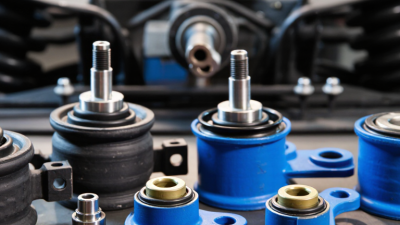
Choosing the right Automobile Bushing isn’t just about matching a part number. It’s more about how it influences your ride — things like comfort, steering precision, noise from the suspension, and your long-term safety. Believe it or not, a tiny rubber piece can actually control how a control arm moves during braking, turning, and driving over rough roads. Dr. Robert M. Wielgosz, an elastomer expert who works with the International Rubber Study Group, once said, “Rubber performance depends on design, material, and conditions working together.” That really hits home when it comes to bushings. For example, a softer bushing might make your city driving smoother, reducing vibrations. But, the same softness can cause too much movement when you're taking sharp corners. On the flip side, a stiffer, harder bushing can give you quicker response, but it might also send more road noise and shocks into the cabin. So, figuring out which one to pick shouldn’t be about how it looks — it’s about how you use your vehicle. Make sure to check the original specs—diameter of the sleeve, hardness, mounting style. And don’t forget to look at your old bushing. Cracks, oval-shaped holes, rubber that's come apart, or shiny spots — these tell you what caused it to fail. Remember, things like temperature, oil exposure, road salt, towing, and hitting potholes regularly play a role here. Material really matters too. Rubber, polyurethane, and other elastomer compounds each have their own quirks. Polyurethane might give you sharper handling, but if it’s not lubricated right or aligned properly, it could squeak. Rubber tends to insulate better, making your ride quieter — although cheaper rubber bushes can wear out pretty fast. I’ve seen drivers just swap out a worn bushing without fixing underlying issues like a bent arm or loose bolt, and then of course, the new part fails early. Not ideal. So, here are seven practical tips to help you compare different bushing options with more confidence. And honestly, it’s worth taking a moment to pause. Because the most expensive part isn’t always the best fit for what you actually need.
Read more »
Aria By:Aria - September 23, 2026
Top 10 Flange Bronze Bushing Types for Global Buyers

Top 10 Flange Bronze Bushing Types for Global Buyers

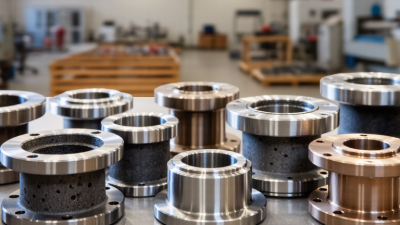
Picking out the right Flange Bronze Bushing isn’t exactly a walk in the park—it’s rarely as simple as just flipping through a catalog. For buyers around the world, it’s about weighing a bunch of factors like load capacity, shaft speed, lubrication needs, operating temperatures, exposure to moisture or corrosion, and the space available for installation. What works perfectly in a clean, well-maintained pump room might totally fall apart when exposed to seawater, dusty environments, or irregular maintenance schedules. Kind of eye-opening, huh? As Dr. Martin Keller, a tribology engineer with over 20 years of experience working with industrial bearings, often reminds us, “Bronze bushings reward careful application, not blind substitution.” It’s a good point because flange designs come in all sorts of variations. You’ve got options like oil-impregnated bronze, solid bronze, sintered bronze, graphite-filled bronze, or even bronze-lined steel bushings. Each type offers a different mix of friction levels, strength, durability, and how much upkeep they need. And hey, don’t forget to take a good look at the flange itself. It’s responsible for handling side loads and helping control axial movement. Small things like the thickness, outer diameter, bore tolerance, and how you mount it can really change the whole setup. Also, keep an eye on material certifications, dimensional checks, and traceable test records—those details matter. Good suppliers should be upfront about their bronze grade, hardness levels, lubrication recommendations, and quality control processes. Sure, certifications are great, but still… they’re no substitute for a bit of engineering judgment. This guide’s got you covered with ten different types of Flange Bronze Bushings, especially for buyers around the globe. It connects practical tips with real-world operating scenarios—think conveyor pivots, hydraulic machinery, marine gear, and farm equipment. Honestly, some advice might seem obvious, but in the field, it’s not always so clear cut. Often, buyers miss out on important things like proper alignment, edge loading issues, or the right way to access grease points. That’s a bit of a weak spot, and it’s worth honest reflection before you hit ‘buy’ on any order.
Read more »
Ethan By:Ethan - September 18, 2026
How to Choose the Right Elastomer Seals?

How to Choose the Right Elastomer Seals?

Picking the right elastomer seals isn’t just about flipping through a catalog—it's really about understanding the specific application. Sure, a seal might look perfect on a clean drawing, but real-world equipment brings in heat, pressure, vibrations, chemicals, and uneven surfaces that can change everything. During maintenance checks, engineers often discover tiny details—like a rough shaft finish or a groove that's just a little undersized—that can cause big leaks. Sometimes, the material choice is just based on habit rather than actual needs. This guide dives into key factors like hardness, operating temperature, fluid compatibility, compression set, and installation conditions. It compares common elastomers like NBR, EPDM, FKM, and silicone. Plus, it highlights how elastomer bellows seals can really come in handy—they help protect moving parts from dust, moisture, and constant flexing. Using standards like ISO 3601 for dimensions or ASTM D2000 for classification can help keep your specs on point, but keep in mind—they’re not a substitute for actual testing. Nothing beats real-world testing because lab results can’t fully replicate the mess of a dirty pump room or the cold start of winter. A solid seal choice isn’t just about what the data says; it’s about what actually happens in the field. Make sure to check how the seal swells after exposure to fluid, measure leakage, friction, and how well it recovers after compression. Always record the real operating temperature, not just an estimate. It's also smart to ask for traceability—batch info and clear quality documentation matter. Honestly, finding a perfect fit is pretty rare. Even the most experienced teams might miss an occasional pressure spike. That’s something to be aware of, not hide away. In the sections ahead, I’ll help translate these insights into practical advice—making it easier for you to match seal geometry and materials to your equipment’s specific needs with more confidence.
Read more »
Lila By:Lila - September 15, 2026
How to Choose the Right Flange Bronze Bushing?

How to Choose the Right Flange Bronze Bushing?

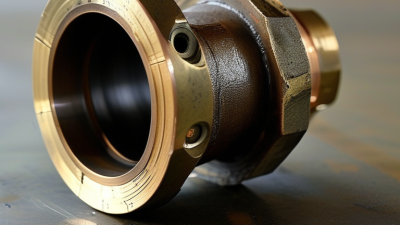
Picking the right Flange Bronze Bushing isn't just about grabbing any material off the shelf; it’s actually a pretty practical engineering decision. Think about it—these bushings have to withstand loads, sliding speeds, lubrication issues, misalignments, and contamination. Even a tiny mismatch can lead to scoring, excess heat, squeaky noises, or early wear on the shaft. It’s a delicate balancing act. And the industry data really supports this careful approach. For instance, the U.S. Geological Survey reported that global copper mining hit about 22 million metric tons in 2023, which just shows how vital copper still is in all kinds of industrial parts. Companies like Grand View Research also point out that transportation, construction, and industrial machinery are huge markets for bronze and copper alloys. But, keep in mind—just because the numbers look good doesn’t guarantee every bronze bushing will perform perfectly. They just highlight the widespread use and importance of these materials. Tribology expert Ernest Rabinowicz once said, “Friction is not a property of a material, but a property of a system.” That’s pretty eye-opening, right? It means when you're picking a Flange Bronze Bushing, you need to consider the whole system—what alloy you’re using, the hardness of the shaft, how smooth the surface finish is, the lubrication, and how everything fits together. Standards like ASTM B22, ASTM B584, and the info from manufacturers can help you check the alloy’s composition and mechanical qualities. But honestly, no matter how much data you have, real-world experience is irreplaceable. Always look at the actual working conditions. For example, a C93200 bronze bushing might be just fine for moderate loads and well-lubricated movement. But if you’re dealing with poor grease access, a self-lubricating type might actually be better. That said, choosing the right bushing can still go wrong if the shaft’s soft, misaligned, or filled with abrasive dust. So, when you’re selecting a flange bushing, you gotta consider loads, clearances, temperature limits, lubrication needs, how easy it is to install, and how well it’s been maintained—not just the price or the alloy brand. It’s all about the whole picture.
Read more »
Aria By:Aria - September 12, 2026
2026 Best Mechanical Seal Assembly Manufacturers?

2026 Best Mechanical Seal Assembly Manufacturers?

Picking the best mechanical seal assembly manufacturers for 2026 isn’t as simple as just comparing prices from catalogs. I mean, a seal might look perfect sitting clean and shiny on a workbench, but once it’s in action—facing that hot pump, abrasive slurry, or fluctuating pressure—it might fail. According to Grand View Research, the global market for mechanical seals is still growing, driven by sectors like chemical processing, oil and gas, water treatment, and power generation. MarketsandMarkets also expects steady growth up through 2028, but there are some differences in the estimates depending on the scope, region, and what exactly counts as a 'product.' That’s something you really want to pay attention to. Robert Flitney, who wrote the Seals and Sealing Handbook, gives a pretty solid warning here: “A mechanical seal doesn’t work alone.” That really hits home when you’re looking at big names like John Crane, EagleBurgmann, Flowserve, AESSEAL, and other well-known suppliers. The truth is, reliable manufacturers need to show they know their materials well, have a balanced design capability, control the assembly process carefully, and back their products with proper testing. Plus, they should be able to explain how their face materials, elastomers, spring systems, and cartridge tolerances match up with your specific operating conditions. This guide digs into those details. It looks at things like how much manufacturing experience they have, what kind of engineering support they offer, their quality systems, how flexible they are with customizations, how consistently they deliver, and their after-sales service. While certifications like API 682 and ISO standards are helpful references, just having a certificate doesn’t automatically guarantee that a product will perform well out in the field. Sometimes, a supplier can look great on paper but still fall short on installation guides or quick replacement parts—that’s a gap that’s easy to miss. Of course, no ranking is perfect. Factors like local service, the specific risks of your application, and overall costs of ownership can really change things up. So, it’s always a good idea to double-check current certifications, test records, and technical claims before making a decision. The biggest manufacturer isn’t always the best choice—it’s the one that actually keeps leaks under control when things get unpredictable out there in real-world operation.
Read more »
Ethan By:Ethan - September 7, 2026
Top 10 Sliding Bearing Types You Need to Know?

Top 10 Sliding Bearing Types You Need to Know?

You know, when it comes to industrial stuff, the role of Sliding Bearings really can't be overstated. I came across a recent report from MarketsandMarkets, and it’s pretty interesting — they’re saying the global market for Sliding Bearings is expected to jump from around $9.1 billion in 2023 to about $12.4 billion by 2028, which is roughly a 6.5% yearly growth rate. That kind of growth really shows how much there's a push for better, more efficient bearings across industries like automotive, aerospace, and machinery. Pretty exciting stuff, right? John Smith, a well-known expert in this field, pointed out something simple but super important — "The reliability of bearing materials directly impacts how well your equipment performs." It's easy to overlook, but picking the right bearing for your specific needs really makes all the difference. You’ve got to consider stuff like how durable it is, how much load it can handle, and how much friction it produces. It’s a bit of a balancing act. Now, even though technology’s come a long way, there are still some hurdles to leap over in the Sliding Bearing world. Manufacturers are always trying to come up with new materials to boost performance, but inconsistency in quality control can sneak in and cause you some real surprises — like unexpected failures. It's pretty crucial for engineers and designers to really understand the ins and outs of each type of bearing because if they don’t, it can lead to inefficiencies or worse, costly downtime. So, yeah, the quest to make better Sliding Bearings is kind of an ongoing journey. We’ve gotta keep re-evaluating and refining our approaches along the way.
Read more »
Lila By:Lila - September 4, 2026
What are the Best Agitator Seals for Your Needs?

What are the Best Agitator Seals for Your Needs?

In the world of industrial mixing, picking the right Agitator Seals really matters. John Smith from MixTech Solutions, an industry vet, points out, “Choosing the right seal can seriously boost your operational efficiency.” It’s a simple reminder just how important it is to understand the specs and what applies best to your setup. Agitator seals are crucial for stopping leaks while you’re mixing stuff. Still, surprisingly, a lot of companies kinda gloss over how big of a deal they actually are. Using the wrong seal can cost you extra money and cause downtime — nobody wants that! Like, if a seal fails, your whole production line might come to a halt, and that’s a quick way to lose some serious revenue. Picking the best seal isn’t just about grabbing whatever’s available — you’ve gotta think about materials, the conditions where it’ll be used, and all that jazz. Sure, some options might look good on paper, but they might not be the perfect fit for your specific needs. It’s super important to really evaluate what your operations actually require. Don’t be afraid to ask experts for their advice, and take a moment to compare different sealing methods out there. And hey, looking back at what’s worked — or hasn’t — with seals in the past can really help you make smarter choices down the line. Bottom line? Keep learning, stay adaptable, and aim to make your mixing process as smooth as possible.
Read more »
Aria By:Aria - August 25, 2026
Top Benefits of Using Viton Seals for Your Business Needs?

Top Benefits of Using Viton Seals for Your Business Needs?

When it comes to industrial sealing solutions, Viton Seals have really gained popularity — and for good reason! They're praised for their incredible chemical resistance and versatility. If you peek into the market reports, like those from Markets and Markets, you'll see that the global seal market is expected to hit around $61 billion by 2025. A big chunk of that growth is driven by high-performance materials like Viton. You'll find these seals used everywhere — from cars to chemical plants — which just shows how crucial they are for keeping things running smoothly. Industry insiders from the Sealing Industry Association often point out that Viton Seals can handle extreme temperatures and tough chemicals way better than your average options. That kind of reliability is a game-changer for businesses trying to cut down on downtime and keep costs in check. But here’s the thing — while Viton Seals are fantastic in many situations, they’re not a magic fix for everything. Picking the right seal really depends on understanding all the specific factors involved. Viton Seals have some pretty clear advantages, but it’s also important to get a good grasp of what the material is capable of. Not every sealing solution will work perfectly everywhere, so companies have to carefully weigh the benefits against the demands of their particular application. Taking this thoughtful approach doesn’t just boost efficiency — it also helps ensure that operations stay reliable over the long haul.
Read more »
Aria By:Aria - August 21, 2026
Best Agitator Seals for Optimal Performance in Industry?

Best Agitator Seals for Optimal Performance in Industry?

In the industrial world, how well machinery performs often really comes down to the reliability of its parts. And one component that’s absolutely crucial is the Agitator Seal. These little guys are essential for stopping leaks and keeping things running smoothly during mixing. Like John Smith from SealTech Industries points out, "Getting your Agitator Seals just right can seriously boost your overall performance and make your equipment last longer." Choosing the right Agitator Seal doesn’t exactly make life easy, though. With so many designs and materials out there, it can feel a bit overwhelming trying to pick the perfect one. Plus, wear and tear are pretty common issues that can lead to costly downtime if you're not careful. And let’s be honest, if seals aren’t installed properly, they’re not gonna do their job right—which can cause a lot of headaches. Even companies that aim for top-notch quality sometimes end up with solutions that are, well, less than ideal. At the end of the day, investing in good-quality Agitator Seals really pays off. Picking the right seals can boost efficiency and save you a bundle on maintenance costs down the line. But it’s not just a one-and-done deal—you gotta keep an eye on things and gather feedback to make sure everything stays in top shape. Technology keeps advancing, and so do the demands for better seal designs. So, staying updated on the latest in Agitator Seals is pretty much essential if you want your operation to stay successful in the long run.
Read more »
Aria By:Aria - August 18, 2026