In the world of industrial mixing, picking the right Agitator Seals really matters. John Smith from MixTech Solutions, an industry vet, points out, “Choosing the right seal can seriously boost your operational efficiency.” It’s a simple reminder just how important it is to understand the specs and what applies best to your setup.
Agitator seals are crucial for stopping leaks while you’re mixing stuff. Still, surprisingly, a lot of companies kinda gloss over how big of a deal they actually are. Using the wrong seal can cost you extra money and cause downtime — nobody wants that! Like, if a seal fails, your whole production line might come to a halt, and that’s a quick way to lose some serious revenue. Picking the best seal isn’t just about grabbing whatever’s available — you’ve gotta think about materials, the conditions where it’ll be used, and all that jazz.
Sure, some options might look good on paper, but they might not be the perfect fit for your specific needs. It’s super important to really evaluate what your operations actually require. Don’t be afraid to ask experts for their advice, and take a moment to compare different sealing methods out there. And hey, looking back at what’s worked — or hasn’t — with seals in the past can really help you make smarter choices down the line. Bottom line? Keep learning, stay adaptable, and aim to make your mixing process as smooth as possible.
Understanding Agitator Seals: Purpose and Importance
Agitator seals play a crucial role in various industrial processes. These components keep fluids contained and prevent leakage, ensuring efficient operation. Properly functioning seals can enhance the longevity of equipment and reduce downtime. Conversely, worn or damaged seals may lead to costly failures and repairs. Selecting the right agitator seal is essential for maintaining operational efficiency.
Understanding the purpose and importance of agitator seals can save time and money. The seals must withstand harsh conditions such as heat and pressure. Choosing a seal made from the appropriate materials is vital in these situations. Factors like viscosity and chemical composition of the fluids also impact seal performance. A mismatch can lead to premature failure, which is an oversight worth reflecting on. Regular maintenance checks are recommended to avoid unexpected breakdowns.
Beyond just functionality, the right choice of agitator seals contributes to overall safety. Leaks can pose environmental hazards or safety risks. Relying on experienced manufacturers, like China Top Agitator Seals Factory, can provide insights into the best materials and designs for your needs. Investing in quality seals can create a more robust system, preventing issues down the line. Making informed decisions in this area is essential for sustainable operations.
Types of Agitator Seals: An Overview of Common Variants
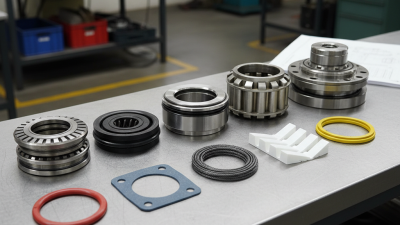
Agitator seals play a crucial role in various mixing applications. They prevent leaks and maintain optimal performance in agitators. Understanding the different types of agitator seals is essential for choosing the right one for your needs.
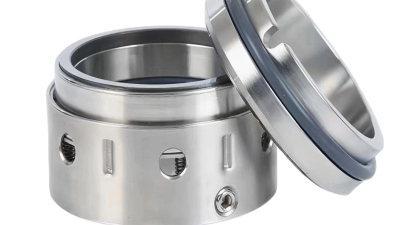
One common type is the mechanical seal. These are highly reliable and can handle various temperatures and pressures. They consist of two surfaces that slide against each other to create a seal.
Another popular variant is the lip seal. Though simpler in design, lip seals are effective for lower pressure applications. They are easier to install and maintain, yet might require regular inspection.
The choice of seal can depend on the specific application. Some users might overlook the conditions under which their agitator operates. For instance, corrosive materials may require specialty seals. Ignoring these factors can lead to premature failure. Analyzing the working environment and the properties of the fluids being agitated is essential for making an informed choice. Understanding these variations can significantly impact efficiency and longevity.
Key Factors to Consider When Choosing Agitator Seals
When selecting agitator seals, several key factors should be prioritized to ensure optimal performance. One crucial element is the material used in seal construction. According to industry reports, materials like PTFE and Viton are favored for their chemical resistance. These materials can withstand harsh conditions, extending the lifespan of seals significantly. Inappropriate material choice can lead to premature failure and costly downtime.
Another important consideration is the operating environment. Agitator seals must perform well under varying temperatures and pressures. Data indicates that seals can fail due to thermal stress when not aligned with the operating parameters. It's essential to evaluate the operational demands and choose seals designed to handle specific conditions. This attention to detail can prevent leaks and ensure efficient mixing processes.
Moreover, the design of the seal plays a vital role. Factors such as seal geometry and the type of sealing mechanism impact the effectiveness of the seal. Inadequate design may result in improper fitting, allowing friction and wear to compromise seal integrity. Industry studies suggest that revisiting design specifications can lead to performance improvements. It is worth noting that even minor adjustments in seal design can enhance reliability and efficiency. This reflection on design optimization ensures that your operational needs are fully met.
Material Selection for Agitator Seals: Pros and Cons
Selecting the right material for agitator seals can significantly impact their performance. Different types of materials come with unique benefits and drawbacks. For example, rubber seals are known for their flexibility and ease of installation. However, they may degrade more quickly in certain chemicals, leading to costly replacements. Metal seals offer durability but can be difficult to fit and may create friction, affecting overall efficiency.
When contemplating material choices, it’s essential to consider the environment in which the seals will operate. High temperatures or corrosive substances might require specialized materials like PTFE or ceramic. Both materials boast impressive chemical resistance. Still, the initial investment can be higher, making them less appealing for tighter budgets. Another thing to ponder is the longevity of the seals; short-lived options might lead to unexpected production downtime.
Evaluate your specific application needs. Each agitator has distinct requirements based on viscosity, pressure, and temperature. Consult your engineering team to assess these factors closely. Collaborating with experts can reveal insights that may not be immediately obvious. This understanding is vital for selecting the most suitable and reliable material for your seals, ensuring they meet performance expectations without unnecessary costs.
Common Applications of Agitator Seals in Various Industries
Agitator seals play a crucial role in various industries. They ensure the efficient mixing of materials while preventing leaks. In chemical processing, for instance, these seals are essential for handling corrosive substances safely. According to a report by MarketsandMarkets, the global market for agitator seals is expected to grow at a CAGR of 5.7% between 2021 and 2026.
In water treatment facilities, agitator seals are vital for maintaining operational integrity. They help prevent contamination and maintain the purity of water. A study from Research and Markets highlights that around 70% of operators report failures due to subpar sealing solutions. This emphasizes the need for high-quality seals. The right choice can significantly reduce maintenance costs.
Food and beverage industries also rely heavily on agitator seals. Here, the hygiene aspect is non-negotiable. The FDA requires stringent compliance with industry standards. Inadequate sealing can lead to potential health risks. It’s essential to partner with a reliable supplier, like a China Top Agitator Seals Supplier, to ensure product quality and compliance.
Maintenance Tips for Enhancing the Lifespan of Agitator Seals
Agitator seals play a crucial role in industrial applications. Regular maintenance is essential to enhance their lifespan. According to a report by the International Sealing Distribution Association (ISDA), proper maintenance can increase seal life by up to 30%. This not only secures optimal performance but also helps to reduce operational costs.
To maintain agitator seals effectively, regular inspections should be conducted. Look for signs of wear, including cracks or discoloration. Materials can degrade over time due to temperature fluctuations or chemical exposure. The report noted that sealing materials suitable for different environments help improve longevity. Knowledge of the operating conditions is vital for selecting the right materials.
Lubrication is another key factor. Proper lubrication reduces friction and minimizes wear on seals. Adhering to the lubrication schedule suggested by manufacturers can mitigate frequent failures. Studies show that inadequate lubrication can lead to a 25% decrease in seal life. Exploring insights from industry experts, such as those who operate in leading facilities like China Best Agitator Seals Factory, can enhance understanding of long-term seal management concerns.
What are the Best Agitator Seals for Your Needs? - Maintenance Tips for Enhancing the Lifespan of Agitator Seals
| Seals Type |
Material |
Temperature Resistance (°C) |
Pressure Resistance (bar) |
Lifespan (Hours) |
Maintenance Tips |
| Mechanical Seal |
Ceramic/Carbon |
-30 to 120 |
10 |
5000 |
Regular inspection for wear and proper lubrication. |
| Lip Seal |
Nitrile Rubber |
-20 to 80 |
5 |
3000 |
Ensure proper installation alignment and reduce excessive speeds. |
| O-Ring Seal |
Silicone |
-60 to 200 |
8 |
4000 |
Keep clean and avoid contact with sharp objects. |
| PTFE Seal |
PTFE |
-200 to 260 |
15 |
8000 |
Regular cleaning and minimizing exposure to harsh chemicals. |
Troubleshooting Issues with Agitator Seals: What to Look For
When dealing with agitator seals, understanding common issues can save time and resources. Look for signs of leakage, unusual noises, or performance drops. Agitator seals can wear down due to temperature changes or operational stress. Regular maintenance is essential to ensure seals perform at their best.
Check for any signs of wear regularly. Inspect the seals for cracks or damage. A small issue can lead to significant leaks if not addressed. Pay attention to the environment where the agitator operates. Harsh conditions can accelerate wear.
Consider operating conditions when choosing the right Agitator Mechanical Seal. Ideal seals should resist chemical exposure and handle temperature variations well. Verify installation to prevent misalignment, which can cause failure. Your choice can heavily impact the efficiency and longevity of the equipment.
Impact of Chemical Compatibility and Seal Performance on Pump Efficiency: Insights from Industry Reports on 58U/59U Fluororubber and Silicon Carbide Seals
The efficiency of chemical process pumps is significantly influenced by the compatibility of sealing materials and their performance under operational conditions. Recent industry reports have highlighted the importance of using advanced materials, such as silicon carbide and fluororubber, especially in pumps handling highly corrosive and particulate-laden media. For instance, seals that leverage silicon carbide's exceptional hardness and self-lubricating properties are shown to outperform traditional materials, effectively minimizing wear and maintaining integrity under high-pressure operations.
In our ongoing commitment to enhancing pump efficiency, the 58U/59U Series Mechanical Seals have been developed to meet the demanding requirements of various chemical processes. These seals excel not only in corrosion resistance but also in their ability to create a secure seal that prevents leakage, a critical factor in maintaining system stability and protecting equipment longevity. Research indicates that the right seal design can significantly extend the lifespan of pumps, reducing downtime and maintenance costs.
Moreover, the balancing of sealing elements within our designs ensures optimal performance, which aligns with findings from industry studies that demonstrate the direct correlation between seal effectiveness and operational stability. Such insights reinforce the need for pumps equipped with seals that are finely tuned to their operational environment, thereby enhancing overall process efficiency and reliability in challenging applications.
FAQS
: Agitator seals prevent leaks and maintain optimal performance in mixing applications.
Mechanical seals consist of two surfaces sliding against each other to create a tight seal.
Lip seals are effective in lower pressure applications and are easier to install and maintain.
Choosing the wrong seal can lead to premature failure and increased maintenance costs.
Analyze the working environment and the properties of fluids being agitated to make informed decisions.
Regular inspections and proper lubrication can increase seal life by up to 30%.
Signs include cracks, discoloration, or degradation due to temperature or chemicals.
Proper lubrication reduces friction, while inadequate lubrication can decrease seal life by 25%.
They ensure hygiene compliance and prevent potential health risks in food processing.
About 70% of operators report failures due to subpar sealing solutions, highlighting the need for quality seals.
Conclusion
Agitator seals play a crucial role in various industrial applications by preventing leakage and ensuring the efficient operation of mixing equipment. Understanding their purpose and importance is fundamental, as these seals are designed to withstand harsh conditions and maintain product integrity. There are several types of agitator seals, each suited to specific operational requirements, making it essential to choose the right variant based on the application.
When selecting agitator seals, key factors such as material compatibility, temperature, and pressure conditions must be considered, along with the advantages and disadvantages of different materials. Regular maintenance is vital for enhancing the lifespan of these seals, and users should be aware of common troubleshooting tips to identify and address potential issues swiftly. Overall, a proper understanding of agitator seals can lead to improved operational efficiency and reduced downtime in various industrial processes.